A cancer diagnosis involving the digestive system can be difficult for patients and their families to understand. Gastrointestinal cancers may affect the stomach, food pipe, liver, pancreas, colon, rectum, or other parts of the digestive tract. Because treatment depends heavily on the location and stage of the disease, timely specialist evaluation is important.
For patients searching for a GI Cancer Surgeon in Patel Nagar, understanding the role of a gastrointestinal surgeon and the treatment journey can help them make informed decisions about their care.
What Is GI Cancer?
Gastrointestinal cancer refers to cancers that develop within the digestive system. Common examples include stomach cancer, colorectal cancer, oesophageal cancer, liver cancer, pancreatic cancer, and certain cancers of the biliary system.
Symptoms vary according to the organ involved. Persistent abdominal pain, unexplained weight loss, difficulty swallowing, changes in bowel habits, blood in the stool, jaundice, loss of appetite, or ongoing digestive problems may require medical evaluation.
These symptoms do not necessarily mean cancer, but persistent or unexplained changes should not be ignored. Appropriate investigations can help identify the underlying cause.
How Is Gastrointestinal Cancer Diagnosed?
Diagnosis generally begins with a detailed medical history and clinical examination. Depending on the suspected condition, investigations may include blood tests, endoscopy, colonoscopy, ultrasound, CT scans, MRI, PET imaging, or biopsy.
A biopsy can help establish the nature of an abnormal growth, while imaging may help determine the extent of the disease. Cancer staging is particularly important because treatment differs between early-stage and advanced disease.
A GI Cancer Surgeon in Patel Nagar can review diagnostic reports and explain whether surgery may have a role in the patient’s overall treatment plan.
When Is Surgery Considered?
Surgery can be an important part of treatment when a gastrointestinal tumour can be removed safely and completely. However, surgery is not appropriate for every cancer or every patient.
The decision depends on factors such as the tumour’s location, size, stage, involvement of nearby structures, overall health, and whether the disease has spread elsewhere.
Depending on the diagnosis, procedures may include stomach surgery, colorectal cancer surgery, liver surgery, pancreatic surgery, or other complex gastrointestinal procedures.
The treatment plan may also involve chemotherapy, radiotherapy, targeted therapy, or immunotherapy before or after surgery.
Dr. Suvendu’s Experience in GI Surgical Care
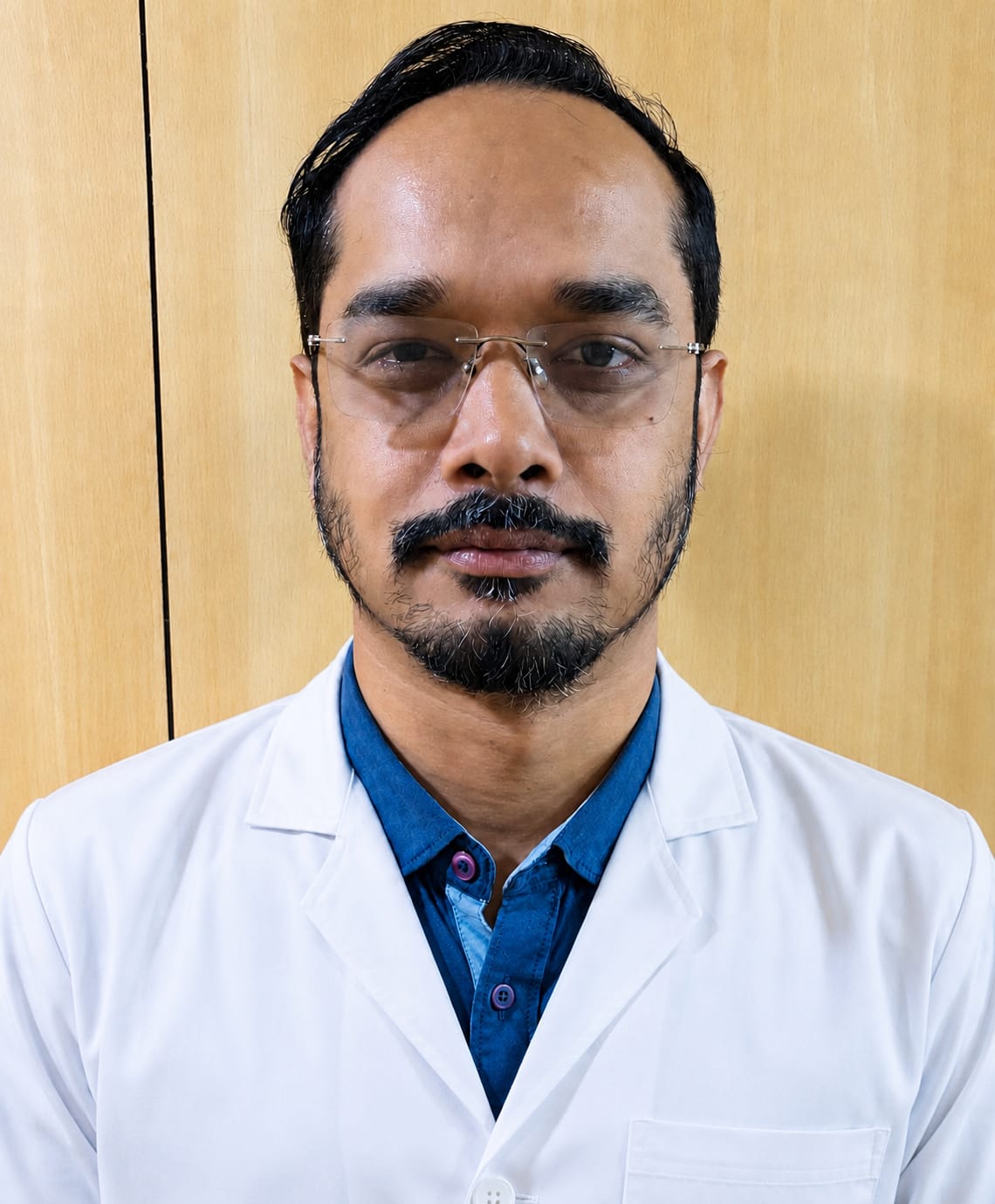
Dr. Suvendu is a gastrointestinal surgeon with a clinical focus on GI surgery and advanced surgical procedures. His practice includes gastrointestinal conditions requiring careful diagnostic assessment and procedure-specific surgical planning.
His surgical work encompasses areas such as gastrointestinal surgery, laparoscopic surgery, robotic surgery, and hepatopancreatobiliary surgical care. This experience is relevant when evaluating patients with complex diseases involving different parts of the digestive system.
For someone consulting a GI Cancer Surgeon in Patel Nagar, the focus should not simply be on finding a surgeon who performs an operation. Understanding the diagnosis, reviewing imaging and pathology, assessing whether surgery is appropriate, and explaining the expected treatment pathway are equally important parts of specialist care.
Minimally Invasive GI Cancer Surgery
For selected patients, laparoscopic or robotic techniques may be considered. These approaches use specialised instruments and smaller access points compared with traditional open surgery.
Whether minimally invasive surgery is suitable depends on the cancer’s location, stage, complexity, previous operations, and the patient’s overall condition. The safest and most appropriate technique should always take priority over choosing a particular technology.
An experienced GI Cancer Surgeon in Patel Nagar can discuss the available surgical approaches after reviewing the patient’s complete medical information.
What Should Patients Ask During Consultation?
A cancer consultation can involve many questions. Patients may want to understand:
- What type and stage of cancer do I have?
- Is surgery recommended in my case?
- Will I need treatment before surgery?
- Which surgical approach may be appropriate?
- What are the expected risks and recovery time?
- Will additional cancer treatment be required afterward?
Clear answers can help patients understand their options and participate more confidently in treatment planning.
Why Individualised Cancer Care Matters
No two gastrointestinal cancer cases are exactly alike. Even patients with the same type of cancer may require different treatment depending on tumour characteristics and overall health.
A GI Cancer Surgeon in Patel Nagar should therefore assess the complete clinical picture rather than recommending surgery based only on a diagnosis or scan.
For complex GI cancers, coordination between surgeons, oncologists, radiologists, pathologists, and other specialists may also be important. Such multidisciplinary decision-making can help align surgery with the patient’s broader cancer treatment plan.
Specialist GI Cancer Evaluation
Finding gastrointestinal cancer early and understanding its stage can make a significant difference in treatment planning. Patients should bring previous scans, biopsy reports, endoscopy or colonoscopy findings, and relevant medical records to their consultation.
If you are looking for a GI Cancer Surgeon in Patel Nagar, Dr. Suvendu provides specialist gastrointestinal surgical evaluation with emphasis on accurate assessment, individualised treatment planning, advanced surgical techniques where appropriate, and clear communication with patients.
A consultation can help determine whether surgery is suitable and what other treatment options may need to be considered as part of the patient’s complete cancer-care plan.