A diagnosis of gastrointestinal cancer can be stressful for patients and their families. Since GI cancers can affect different parts of the digestive system, treatment needs to be planned according to the location, stage, overall health and individual needs of the patient. Consulting an experienced specialist can help patients understand their diagnosis and available treatment options clearly.
If you are searching for a GI Cancer Surgeon in Karol Bagh, it is important to choose a specialist with expertise in gastrointestinal and hepatopancreatobiliary (HPB) surgery. Dr. Suvendu Sekhar Jena focuses on advanced GI and HPB surgical care, including complex conditions involving the digestive system.
What Does a GI Cancer Surgeon Treat?
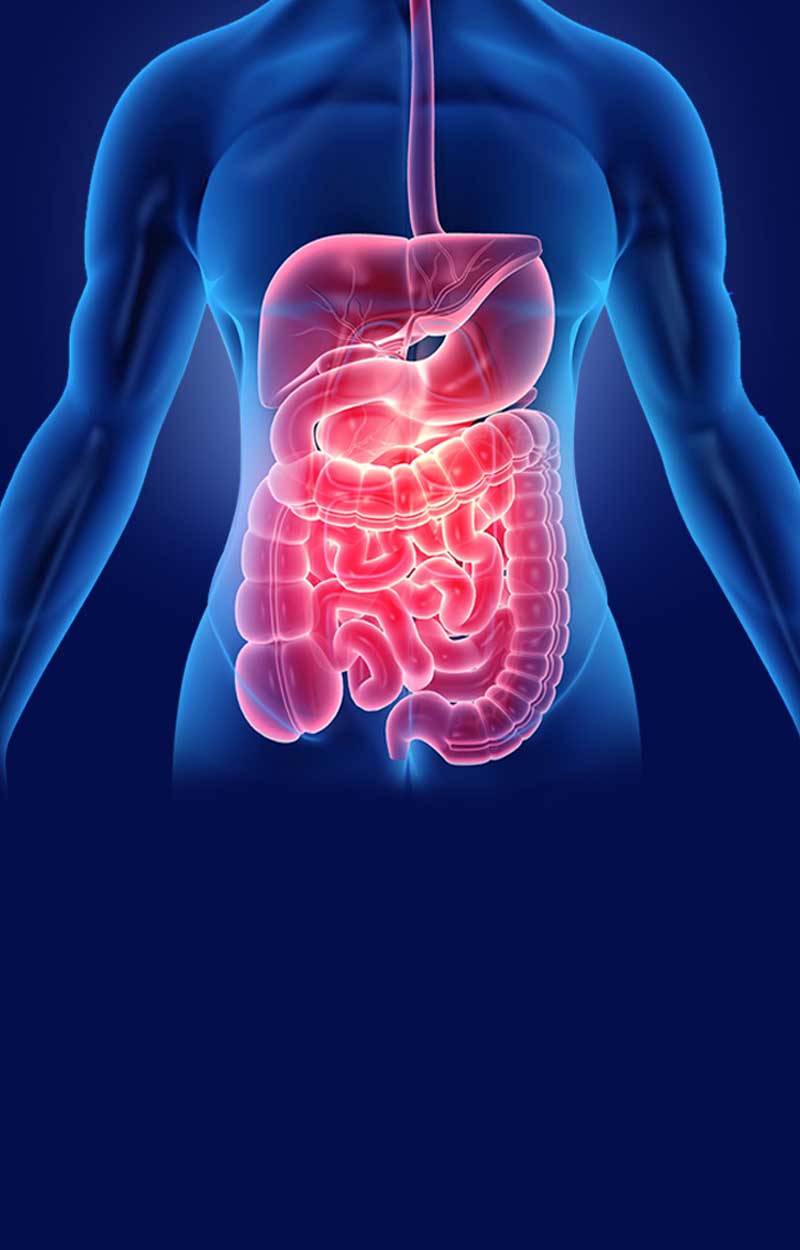
A gastrointestinal cancer surgeon manages cancers affecting different organs of the digestive system. Depending on the diagnosis, surgical treatment may be considered for cancers involving the:
- Stomach
- Colon and rectum
- Liver
- Pancreas
- Gallbladder
- Bile ducts
- Small intestine and other GI structures
The treatment plan is not the same for every patient. A specialist first evaluates diagnostic reports, imaging and the stage of the disease before recommending an appropriate approach.
When Should You Consult a GI Cancer Surgeon?
Some symptoms may be caused by conditions other than cancer, but persistent or unexplained digestive symptoms should not be ignored. These may include unexplained weight loss, prolonged abdominal discomfort, changes in bowel habits, difficulty swallowing, persistent vomiting, blood in stool or jaundice.
If investigations have already identified a tumour or cancer, timely consultation with a GI Cancer Surgeon in Karol Bagh can help in understanding whether surgery is required and how it may fit into the overall treatment plan.
Advanced Surgical Options for GI Cancer
Modern GI cancer surgery has evolved considerably. Depending on the type and stage of cancer, a surgeon may recommend open, laparoscopic or robotic surgery.
Laparoscopic GI Cancer Surgery
Laparoscopic surgery uses small incisions and specialised instruments to perform the procedure. For suitable patients, minimally invasive surgery may offer benefits such as smaller incisions and potentially faster recovery.
Robotic GI Surgery
Robotic surgery can provide enhanced visualisation and precise instrument control during selected complex procedures. Whether robotic surgery is appropriate depends on the patient’s diagnosis, tumour location and surgical requirements.
The objective should always be safe and appropriate cancer treatment rather than choosing a surgical technique simply because it is technologically advanced.
Why Specialist GI Surgical Care Matters
GI cancers can involve anatomically complex areas where important blood vessels and organs are closely located. This makes specialist surgical planning particularly important.
An experienced GI Cancer Surgeon in Karol Bagh can evaluate the patient’s condition and explain the expected benefits, possible risks, recovery process and other available treatment approaches. In complex cancers, treatment may also involve coordination with medical oncology, radiation oncology, radiology and pathology teams.
Dr. Suvendu Sekhar Jena’s clinical focus includes GI and HPB surgical conditions, making specialist evaluation particularly relevant for patients who require advanced gastrointestinal or hepatobiliary surgical care.
Patient-Centred Cancer Treatment
Good cancer care is not limited to performing surgery. Patients also need clear communication and realistic information about their diagnosis and treatment journey.
During consultation, patients should feel comfortable discussing their symptoms, previous investigations, medications, concerns and expectations. Reviewing CT scans, MRI reports, endoscopy findings and biopsy reports can help the surgical team develop a more personalised treatment strategy.
For patients from Karol Bagh and nearby areas, consulting a GI Cancer Surgeon in Karol Bagh can provide convenient access to specialist evaluation while ensuring that treatment decisions remain based on the patient’s medical condition.
Frequently Asked Questions
1. What cancers are treated by a GI cancer surgeon?
GI cancer surgeons may treat cancers affecting the stomach, colon, rectum, liver, pancreas, gallbladder, bile ducts and other parts of the gastrointestinal system.
2. Is surgery always required for GI cancer?
No. Treatment depends on the cancer type and stage. Surgery may be combined with chemotherapy, radiation therapy or other treatments when appropriate.
3. Is laparoscopic surgery suitable for every patient?
Not necessarily. Suitability depends on the tumour’s location, size, stage, previous surgeries and overall health. The surgeon decides the safest approach after evaluation.
4. When should I see a GI cancer specialist?
Persistent digestive symptoms, abnormal imaging findings, a suspected tumour or a confirmed cancer diagnosis are all reasons to seek specialist evaluation.
5. How can I prepare for a GI cancer consultation?
Carry your biopsy or pathology report, blood-test results, endoscopy reports and CT/MRI scans if available. A complete medical history can also help the surgeon understand your condition.
Conclusion
A gastrointestinal cancer diagnosis requires careful evaluation and an individually planned treatment approach. From diagnosis and staging to surgery and recovery, specialist guidance can help patients make informed decisions.
If you are looking for a GI Cancer Surgeon in Karol Bagh, Dr. Suvendu Sekhar Jena offers specialist GI and HPB surgical expertise for patients requiring evaluation and advanced surgical management of gastrointestinal conditions. Early specialist consultation can help determine the most appropriate treatment pathway for each patient.